Transdisciplinary reflections for assessing the mental well-being of university undergraduates within the African context for sustainable problem-solving
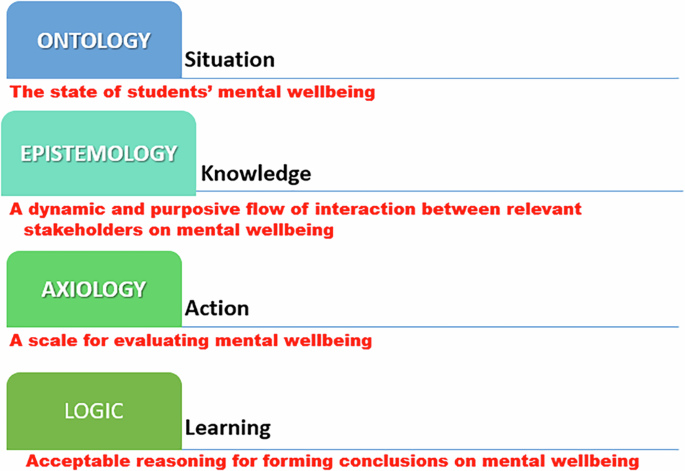
Preliminary Information
Thirteen (13) of the eighteen consultants contacted consented to participate, with their expertise shown in Table 1.
Stage one analysis: code-document mapping
The interviews were transcribed and analysed using AI-powered In Vivo coding through Atlas.ti. This yielded 564 codes across key thematic areas, including physical health, emotional well-being, stress, social interactions, cultural context, and others (see Table 2). These were visualised using code-document frequency tables and a Sankey diagram to show thematic weight and consultant engagement.
Code-document analysis summary
Figure 2 displays a summary of the most frequently coded domains: Achievements (117), Well-being (109), Stress (97), Physical Health (73), and Balanced Lifestyle (49). This data shows strong convergence around key factors that influence students’ mental well-being in the African university context. The top three most frequently referenced constructs, such as Achievements, Well-being, and Stress, underscore their centrality in experts’ framing of undergraduate mental health. Other prominent themes, such as sleep, Belief Systems, Academic Productivity, and Relationships, align with the eight refined sub-constructs discussed in the results.
At the second stage of analysis, AI-generated codes were reviewed, supported by literature, and eight sub-constructs were identified, namely: coping with normal life stresses, realising potential, studying productively and fruitfully, social interaction, school-life balance, emotional stability, healthy living, and belief system. Figure 2 illustrates an intensive engagement with consultants on the eight sub-constructs derived from a priori coding of an extensive literature review (Martin, 2012; Oladele et al., 2024). The engagement met the requirement of 3–10 participants (Falaye, 2018). Below are insights that strengthened the appropriateness of the sub-constructs.
Coping with the normal stresses of life: The discussion with Consultant 1 revealed that a seemingly minor incident could occur around students, causing them to deviate from optimal academic functioning, which could trigger a range of issues. A major stressor that students have to contend with here is the excessive number of lectures. Consultant 2 explained that psychologists have found that we need an appreciable level of stress for normal functioning. As such, someone may fail an exam and be sad, but that does not mean the person is clinically depressed; they may regard this as a normal stress of life. He stressed that if the person is still sad after a while and is now getting worse and is losing interest in previously pleasurable activities and is losing energy, having poor sleep and because of that, the student now misses classes, thinking about committing suicide because of an incident, then it is no longer normal as in such a situation, the social and academic functioning is being affected. Similarly, Consultant 3 (a behavioural psychologist) cannot have their mental well-being assessed without considering the aspect of stress. He emphasised that what is stressful for one person may not be stressful for another. He gave the example of COVID-19, which was generally stressful for most people. But the extent of the stress also depends on students’ exposure to information through the internet and the news media. The consultant also explained that an individual’s mental well-being is a means by which people try to cope with life’s stress while still enjoying life. Consultant 5 also regarded being able to cope with the normal stresses of life, which can be triggered by lack of sleep. In his words, “I still relate with quite a few clients who have a poor quality of life, simply by virtue of the fact that they’re not getting enough sleep. They try to sleep, but sleep doesn’t come, causing them a lot of distress. Indeed. There are some people who are suicidal because they have poor sleep. So poor sleep is actually a major one that can affect quality of life and work capacity”. Also, in support of this sub-construct, Consultant 8 explained that mental health is said to be attained when an individual can cope with everyday activities in terms of what he/she is doing, which brings about a free mind of that individual and will be able to reduce the amount of stress that an individual may have in any given situation. Consultant 11 addressed this construct as the ability to manage stress, while emphasising the need to integrate both positive and negative indicators of well-being into the mental health assessment to gain a broader picture of functioning. Also speaking on this sub-construct, Consultant 13 mentioned coping with the normal stresses of life, specifically managing everyday activities and navigating various situations that students encounter. These submissions justify the sub-construct of coping with normal stress of life as being relevant for assessing mental well-being. Consultant 5 stressed a level of stress that is required for life to be meaningful, known as “normal stress”. In the developed instrument, coping involves adjusting; otherwise, stress can be an infringement on the individual’s mental, social and occupational functioning while emphasizing normalcy as key. In summary, the discussants emphasised the normal stress of life as well as stressors that affect optimal academic functioning, with examples such as COVID-19, which was particularly stressful for many students. Additionally, the need to integrate both positive and negative indicators of well-being into mental health assessments was addressed to provide a more comprehensive picture of functioning.
Realise potentials: On this sub-construct, Consultant 2 succinctly defined mental health as the state, of health, where an individual is able to realise his or her potentials which he described as the latent ability which can be measured in terms of soft skills, hard skills and the profession or the vocation of the individual or as a student, his/her academic experience or attainment in their course of study. Furthermore, he used the acronyms TALE and SWIPE to drive home his point. TALE for Talent, Abilities, Limitations, and Experiences in defining how to measure or assess potentials and SWIPE for Strengths. So, what are my strengths? Weakness: What are my weaknesses? Interest. So, what are the things that naturally come to me as interesting? What are the things that interest me naturally? then Personality, the kind of personality, the kind of person I am and then Experience. Consultant 4 also stressed that students who learn well realise their potential, and then they work well, which enables them to contribute meaningfully to the community. Still speaking on this sub-construct, Consultant 8 pointed out that discouragement in education itself could hinder the realisation of potential. In his words, “Of course, for somebody who is schooling, he or she has some potential that is looking forward to realising based on his or her intellectual ability”. Consultant 11 emphasised that the extent to which an individual is satisfied with their life significantly affects their well-being. The consultant further emphasised that people measure their achievements against what they aspire to achieve and then determine whether they are satisfied or not, which can impact their overall well-being. The consultant also reported having many clients who are discouraged because they feel they are not achieving their purpose, are not living their purpose or have not started, and this feeling makes things go bad. Consultant 4 examined the issue of building confidence in oneself, which is closely related to self-actualisation. Explaining further, he noted that building self-confidence enhances self-actualisation, a prerequisite for realising one’s potential (Itai, 2008). Similarly, Consultant 10 points attention to the level of satisfaction, in terms of achievement, their optimistic outlook on life, and whether they perceive their life as pleasurable. Consultant 1 gave an experience of a student who actually broke down psychologically due to not being able to access online classes due to not being able to afford buying a smartphone, which impacted the student’s mental health. This is just one of many who are anxious about being unable to cover missed lectures, with impending effects on their academic performance. Consultant 12 expressed that items which will reveal the degree to which students are able to realise their potential are key to their satisfaction with life. Consultant 13 emphasised that achieving maximum expected performance in academic pursuits is crucial in assessing a student’s mental well-being. As such, it was inferred that this sub-construct refers to performing to the utmost of one’s abilities; to achieve as much success as possible in realising one’s potential. He emphasised that an individual with a well-motivated job is likely to be more productive than someone who lacks motivation. Consultant 9 emphasised the importance of personal growth, which he believes is a crucial factor in determining an individual’s potential and, consequently, their mental well-being. In summary, potential is described as a latent ability that can be measured in terms of both soft skills and hard skills, as well as the profession or vocation of students, as well as their academic experience or attainment in their course of study. Discouragement in education was highlighted as a factor that hampers potential, drawing on lived experiences.
Studying productively: Consultant 2 explained that an individual can be said to enjoy mental well-being when they are able to study productively and fruitfully, and how much an individual is willing to invest their time in productive exercises. He further stresses that an individual who is well-motivated and satisfied with an activity is likely to be more productive than someone who is not motivated and dissatisfied, which is similar to the submission made by Consultant 1. Consultant 2 also emphasised the love for results by everybody, with a considerable level of input, which brings about an improved or optimal self-confidence, a cardinal point of mental well-being. Consultant 5 discussed the construct in terms of sense of accomplishment as a central tenet of mental wellness. Consultant 6 examined the construct in terms of gainful labour, while Consultant 9 linked the construct to the purpose of life as linked to mental well-being. These submissions demonstrate that this sub-construct is related to the effectiveness of productive effort, particularly in school, as measured by the rate of output success per unit of input effort. In summary, the submissions on this sub-construct were related to the effectiveness of productive effort, particularly in schools, as measured by the rate of output success per unit of input effort.
Social interaction: Speaking on this sub-construct, Consultant 12 emphasised the importance of interacting effectively with people in a positive manner, both in professional and social environments, and maintaining those relationships in a healthy way, which is regarded as an important aspect in measuring mental well-being. Streamlining the discussion, Consultant 1 emphasised the importance of social relationships that students have with the support of lecturers, such as peers, classmates, or roommates. She further reiterated the need to consider what students think about their relationships as impacting their mental well-being. Another aspect considered by consultants 10 and 13 was the convergence of views on the quality of inter- (driven by self-esteem) and intrapersonal (external) relationships, which speaks to an individual’s social capital even in the face of adversity. Further explaining this, she explained the social capital resources that people have, which they can bank on. Therefore, examining the quality of social capital can help serve as a buffer against mental health issues. This was also linked to the extent to which an individual can interact with and learn from the experiences of others (mentors) for improving their well-being and quality of life. In her words, “There’s no way we can also talk about mental wellness without looking at other things like an individual’s social networks and support system”. Speaking on social relationships, Consultant 11 regarded this as a special subdomain, which relates to how an individual relates with others and the soundness of the relationship as an important factor in assessing mental wellness. A novel insight was provided by Consultant 2 regarding community participation, considering that individuals are members of various trades, professions, or religious organisations. So, meaningfully participating in any of these communities connotes social responsibility by participating regularly in programmes organised by these religious communities or professional bodies. It also includes regular payment of necessary dues and active participation in neighbourhood programmes. As such, the degree of an individual’s mental wellness can be gauged through his/her willingness to engage in such an endeavour. Consultant 3 also alluded to mental well-being as being able to contribute meaningfully to discourse, while Consultant 4 looks at relating well with people or materials within the community. Within the relationship space, Consultant 5 highlighted social and personal relationships, as well as the availability of social support, as important indicators of mental well-being. In his words, “two people may be experiencing the same stressful circumstance, but one person is doing better than the other, because that person has some social support”. Consultant 6 relates the sub-construct to what is happening around the person at a certain time, with reference to the company, which ranges from family to friends or both. She stressed that if those relationships are healthy and going well, making the individual happy or bringing the desired happiness, it becomes a stimulus for well-being, making the quality of relationships a key aspect in assessing this sub-construct. Similarly, Consultant 9 spoke in terms of the nature of relationships that connect with others. He emphasised in his words that, “Don’t isolate yourself very much because that can be injurious to your mental health. And then build your personal confidence as an individual, because without confidence building, you can run yourself into mental difficulties. From these discussions, it is imperative to report that self-isolation can be injurious to the quality of mental health of the students. In summary, reflecting on this sub-construct revealed the importance of interacting effectively with people (co-students, lecturers, peers, class or roommates) as a measure of mental well-being for avoiding self-isolation. Converging views emerged on the quality of inter (driven by self-esteem) and intrapersonal (external) relationships, which speaks to an individual’s social capital even in the face of adversity.
School-life balance: speaking on this sub-construct, Consultant 5 stressed the need to have a smooth sail in both school and other aspects of life, as one would affect the other. However, lengthy industrial actions in Nigeria put students’ lives on hold and their mental health at risk, as observed from counselling sessions of the consultants, and some students lose the zest to complete school. The example of an 8-month industrial action in Nigeria was cited. This event left students in public universities out of school for a full academic session, leaving them without a status as either students or graduates. He stressed that this event in life is almost literally putting their lives on an indefinite hold and directly impacting their mental health, as observed from counselling sessions. Consultants 4 and 6 explained that individuals should consider integrating a variety of activities, such as extracurricular activities, while pursuing academic endeavours, as a requirement for a balanced lifestyle. Consultant 1 explained that some students have issues with their mental well-being because of a strained relationship with their lecturers or with support staff, or their peers/classmates. Furthermore, she shared an experience of a student who discussed feeling guilty about things he had not done and was supposed to do, which negatively impacted his mental well-being. Consultant 9 also emphasised the importance of being comfortable with one’s own life to achieve a balanced lifestyle. So, it affects them; it makes them depressed in terms of where they are expected to be now, and they are not there. He also emphasised the importance of self-autonomy, which involves knowing oneself, including one’s identity and limitations, as this influences living a balanced lifestyle in any situation. Consultant 8 expressed this sub-construct in terms of being able to achieve educational goals without any form of inhibition or constraints, such as those experienced during the eight-month strike in Nigeria, leading to an unbalanced lifestyle. In his words, not being in school should impact some students so severely that they may not even want to return to school. He asks, What is the importance of going to school after all? After all, they may not even get jobs. In summary, reflections on this sub-construct revealed that sufficient effort needs to be invested in academic work while also enjoying the social, sporting, and cultural aspects of being a student.
Emotional stability: Consultant 10 construed the sub-construct as the presence or absence of certain psychological issues, stressing that practitioners do not just look for clinical diagnoses. In her words, she said, “You know that even without the clinical diagnosis, somebody could still have problems that are not up to the clinical diagnosis, but will still hinder their performance, their quality of life”. Speaking on the importance of this sub-construct to overall well-being, Consultant 1 stressed that it affects students’ moods, prolonged or intense feelings of irritability, cognitive and perceptive aspects of students, while identifying some of the important aspects as self-esteem, self-worth, life achievement and outlook to life, which can serve as positive or negative affect. This aligns with the submission of Consultant 13, who also stressed the relevance of the perception held about issues as determinants of an individual’s emotional response. Consultant 11 explored the theory of rational emotive therapy called the A, B, C D technique, where A is an activating event or occurrence (something that happened to an individual), while B is the belief that the person has about what happened to him or her and then C is the consequence that comes out of that occurrence. He explained further that the theory states that the occurrence, that is, A is not directly responsible for C, as the consequence is the belief that an individual has about what A is. In his words, he inferred that “most of the things that have happened to people and the results or the consequences they have are highly dependent on what they think or feel about it, which impacts an individual’s emotional stability. In addition, Consultant 11 stated that some people may appear fine externally, but internally they are not; however, this is a fact that can be discovered during counselling sessions. In the same vein, someone may appear dull physically; however, mentally they are healthy, as explained by the rational emotive therapy theory.
Consultant 12 stated that emotional stability could mean the presence of some positive things in life, or positive emotions such as happiness, known as positive affect, and negative emotions, such as depression and anxiety, also known as negative affect. Speaking on anxiety, Consultant 3 expressed anxiety as normal, but it’s excessiveness as a red flag. Consultant 13 also emphasised the importance of self-acceptance in achieving emotional stability. Other related issues highlighted are bipolar mood disorder, leading to depression. In his words, “when an individual suffering from mood disorders is left alone, they die slowly, have mood problems and negative touch with reality”. Consultant 13 also highlighted anxiety and personality disorder, making the individual nervous unnecessarily, as another determinant of emotional stability. In his words, “To fear and also to sweat”. This is apparent when students experience rapid, hard beats because of an anxiety disorder, while a personality disorder affects the pattern of thinking and functioning of an individual, which invariably impacts mental well-being. Consultant 3 discusses how a person’s feelings affect their relationship with others. Some salient questions that impact mental well-being are: Do I think I’m acceptable even when I live with others? Or do I think I’m not acceptable? Are there any things that the person is going through that others are not aware of? He stressed the need for self-expression without cultural restrictions, which makes people mask reality with expressions such as: I have a chronic sensation, my body inside is very hot. Speaking further, he noted that there is a wrong notion that Africans, Nigerians inclusive, don’t have depression. In his words, the reason for this misconception is that an average African would rather give body symptoms rather than say I am depressed. In contrast, a white man will say I am depressed, doctor or I will kill myself the next moment if nothing is done. Such a person receives help much more easily, and as a result, issues do not escalate, which makes the ability to honestly express oneself crucial to mental wellness. Consultant 4 also ascertained that the emotional side of an individual is linked to mental health, which can be determined by the individual’s behaviour driven by feelings or what motivates that individual to act in a particular way. He also stressed that another important factor in assessing an individual’s mental well-being is what motivates that individual to continue living, the inner drive that makes them act in a particular way. Consultant 5 explained that emotional wellness is not just about being happy. Rather, it’s about the person’s feelings, thoughts and behaviour compounded by environmental factors as well as the extent to which they improve an individual’s quality of life. He also emphasised the importance of body image, highlighting how an individual’s physical appearance or body structure can affect their feelings positively or negatively. In his words, “body shaming, for instance, is something that is now quite common in conversations in virtual, as well as actual communities”. He explained that this can lead to feelings of frustration, boredom, and in extreme cases, suicidal tendencies, which makes the factor important to mental wellness. Consultant 8 also alluded to the fact that the ability to control depression, anxiety, and other stressors is important for ensuring emotional stability. Consultant 9 also explained that emotional unwellness can be triggered by specific incidents, and the ability to push it away from one’s mind helps to overcome such emotion and trauma and determines how well an individual can manage his/her mental well-being. From these submissions, this sub-construct is the predictability and consistency in emotional reactions, with the absence of rapid mood changes.
In summary, reflections on this sub-construct revealed that there is a wrong notion that Africans, Nigerians inclusive, do not have depression. The reason for this misconception is that an average African would rather give bodily symptoms rather than acknowledge their emotions. Events in school can affect the mood: “body shaming, for instance, is something that is now quite common in conversations in virtual, as well as actual communities”. This can lead to feelings of frustration, boredom, and in extreme cases, suicidal tendencies. As such, the mood of students may interfere with their well-being, even in the absence of specific disorders, which must be detected in a timely manner to prevent harm.
Healthy living: speaking to this sub-construct as impacting mental well-being, Consultant 12 explained it as being in a state of comfort or being healthy, which may not necessarily imply the absence of illness, but could also mean that. Alluding to this submission, Consultant 10 emphasised that someone could still experience problems that are not yet clinically diagnosed but will still impact their performance and quality of life. While Consultant 11 explained that mental wellness could also be determined by physical health. Categorically speaking, Consultant 2 borrowed the WHO slogan stating that there is no health without mental health, which makes this subdomain a fundamental aspect of mental health. Consultant 6 also related mental well-being to an individual’s health, as impacted by their environment and experiences at a particular time. Additionally, she emphasised the importance of regular exercise and a balanced diet for maintaining a healthy lifestyle. Therefore, this sub-construct means physical and mental health are functioning optimally. In summary, reflections on this sub-construct revealed that in many instances, physical and mental health are closely linked, so a change (good or bad) in one directly affects the other and is regarded as interdependent. Additionally, physical health can be improved through regular exercise and a balanced diet.
Belief system: Consultant 10 described this as believing in a higher power controlling things, and also defines it as an individual’s spirituality, which drives their sense of purpose and impacts their mental health. Furthermore, she noted that an individual’s belief system can influence how they perceive things and events, as well as inform their approach to dealing with adversity. She also emphasised that an individual’s belief system is integral to their value system, which is crucial to their mental well-being. Consultant 11 viewed it from the perspective that well-being is more of an internal state than an external one. Its evaluation is therefore highly dependent on an individual’s belief system. As such, regardless of any occurrence, an individual’s belief system determines their perception and how it is interpreted. Furthermore, he explained that people recover from even significant sickness just by believing they are doing the right thing in life, and this may defy medical explanation. So, what that means is most of the things that have happened to people may be dependent on their belief system. He added that a sound belief system has a way of keeping people healthy. This stand was strengthened by an example of how an event can determine well-being. A scenario of someone who does not react negatively when slapped, believing that it was a mistake, was presented. This reaction aids their well-being. However, another person may receive the same slap and decide to be bitter and angry. Judging it from the point that maybe this slap is deliberate, or claims that the slap is due to hate. Of course, when those things start coming, the well-being is already affected.
Furthermore, he stressed that a person’s belief system may have much to do with what they have achieved or not but is more driven by what they think satisfies them. As such, people who appear to believe they were created for a purpose and are fulfilling that purpose exhibit better mental well-being, which should be taken into consideration when assessing mental well-being. Similarly, Consultant 12 cited the example of some people who, regardless of what comes their way, approach situations in a positive manner, which in turn has a positive impact on their mental health. Consultant 13 was categorical in expressing a belief system as subjective in the sense that an individual’s perception of his/her level of satisfaction or the way the individual is perceiving the quality of his or her life impacts on mental health. Consultant 5 mentioned that “you cannot shy away from religion as it would probably be incomplete if you are not looking at their belief system with relevance within the African context. In his words, “in Nigeria, for example, people do not even complain about what is going on with them. So, if they experience pain or discomfort, which may affect their quality of life or mental wellness, you may see them saying that my enemy is in pain. According to him, issues to consider in assessing a belief system are spirituality, their religion and their personal beliefs, which all come under the psychological aspect of wellness as impacting on mental health. Consultant 9 posited that having good mental health is about being positive about oneself and about others. Further stressing God as the unifying factor, where all happenings are alluded to “God”, can also impact their mental health and well-being. Therefore, this sub-construct examines the person’s personal beliefs, which aid in coping with life’s difficulties and how these beliefs affect mental well-being. In summary, reflections on this sub-construct revealed that an individual’s belief system can influence how they perceive things and events, informing their approach to dealing with adversity and thereby affecting their mental well-being. A sound belief system has a way of promoting overall health.
link