The B.C. CDC wants to hear from residents with climate-related health concerns

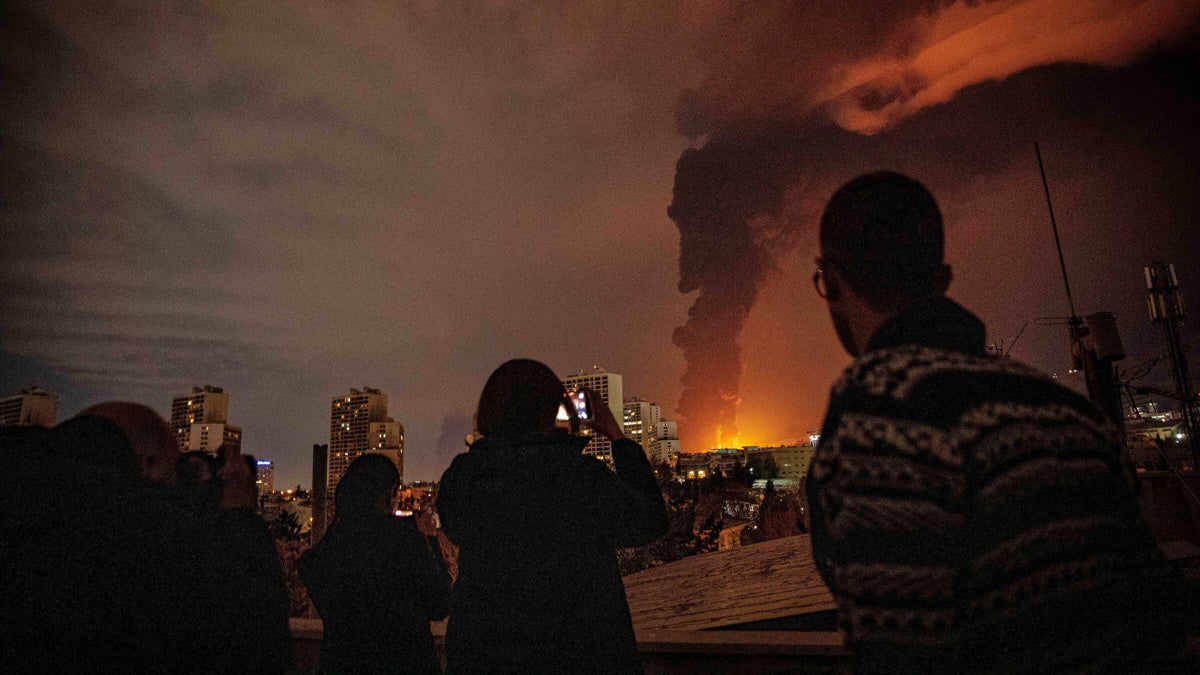
If your health and well-being has been affected by catastrophic flooding, wildfires or intense heat and drought, the B.C. Centre for Disease Control wants to hear about it.
British Columbians can now share personal stories about how climate change is contributing to their physical and mental health on ecolens.ca, a new website launched by the centre.
Ecolens.ca allows people to share insights into how climate change is affecting their lives through writing, art and photos, according to a news release Thursday.
Officials say the information will help scientists and health professionals better understand climate change impacts and inform the development of adaptive strategies.
“There is a lot of data showing that climate change is affecting people’s health. We can see it from medication use, calls to emergency services, and visits to health care providers,” Angela Yao, the senior scientist in environmental health at the centre, said in a statement.
“But we are missing the personal stories — what people have experienced, how they’ve been impacted, and how their experiences shape the way they feel.”
Visitors to the Ecolens website can also view stories from other people.
“We’ve heard, especially from young people, that climate change can cause anxiety and grief, but it also gives them a reason to come together as a community,” said Yao. “Ecolens offers a space to share and relate with other people. Through storytelling and connection, we hope to foster community, empathy and resilience.”
The Ecolens website was developed with funding from the Ministry of Health.
“We all want to live in a healthy, climate-resilient, sustainable province,” said Mary Cameron, director of climate resilience at B.C.’s Health Ministry.
Centre for Disease Control officials say they have been collecting submissions from health agencies and university students over the past few months and have already published more than 40 stories.
Early submissions include reflections about the 2021 heat dome, 2023 Kelowna wildfires, and other accounts of climate-related events.
B.C. health officials have said that climate change poses significant health risks, including problems that arise from extreme heat, wildfire smoke, flooding and drought.
The news comes as B.C. mulls expanding LNG development, despite some health officials arguing that fossil fuel production is contributing to a health crisis.
Dr. Melissa Lem, president of the Canadian Association of Physicians for the Environment, applauded the new health website because it will increase education and awareness about climate change but noted the governments needs to do more to phase out fossil fuel production.
“I have personally witnessed climate-related health harms in my patients, including heat illness, asthma attacks from wildfire smoke, and more depression and anxiety during climate events. Sharing personal climate stories is a way to build community and help patients feel they’re not alone.”
However, Lem said the provincial government’s continued support for expansion of the LNG industry stands in direct opposition to this move.
“We need a whole-of-government approach to the climate emergency, which includes awareness and community building, investments in adaptation, and a managed phaseout of fossil fuels. A piecemeal approach that fails to address a root cause of climate change — BC’s expanding LNG industry — will fail to protect our health and health-care system from the effects of climate change.”
Related
link