Teen mental health: co-creating for TikTok helps keep teenagers informed
Inadequate services
The first step was to conduct a survey among over 2,200 students in the 1st to 4th years of compulsory secondary education to understand how they learn about mental health. According to Eulàlia Hernández, principal investigator of the project, the survey found that “students learn about mental health issues in an unstructured way: they don’t know how or where to do so and, when they need information, they want it immediately. They use search engines and digital resources, but when they need help, they’d rather talk to someone in person.”
The project has shown that, despite the wide range of mental health services available to young people, these support resources don’t reach their intended beneficiaries as they should. “Services are duplicated and underused, and fail to meet teenagers’ actual needs. The way to reach young people is by using their language and the formats they’re interested in, in order to reduce the barrier of stigma,” said Hernández.
The project also found that, although schools have a designated mental health advisor, the support they can give students is limited: “We must make sure that young people have a clear mental health contact that is accessible to them, someone they can go to whenever they need to, and that they know who this person is and where they can find them.” Teachers similarly aren’t getting the training and information on mental health that they’d need to effectively support young people or to look after themselves.
Short, laid-back videos on TikTok: the key to going viral
The content co-creation stage involved 30 students in the 3rd and 4th years of compulsory secondary education from three very different schools in Barcelona – public and private, located in different areas and dealing with students with different needs. The schools were selected with support from the Barcelona Education Consortium. Teachers, mental health services professionals and communication experts also took part. The topics chosen by the young people involved were non-suicidal self-harm and anger management.
A group of researchers working on the eHealthLit4Teen project analysed the results to identify the key to the success of content on social media. They used social listening on the social media platforms most widely used by young people (TikTok and Instagram) over the space of one year. The aim was to use this winning formula to make the content on supporting and educating young people in mental and emotional health matters go viral.
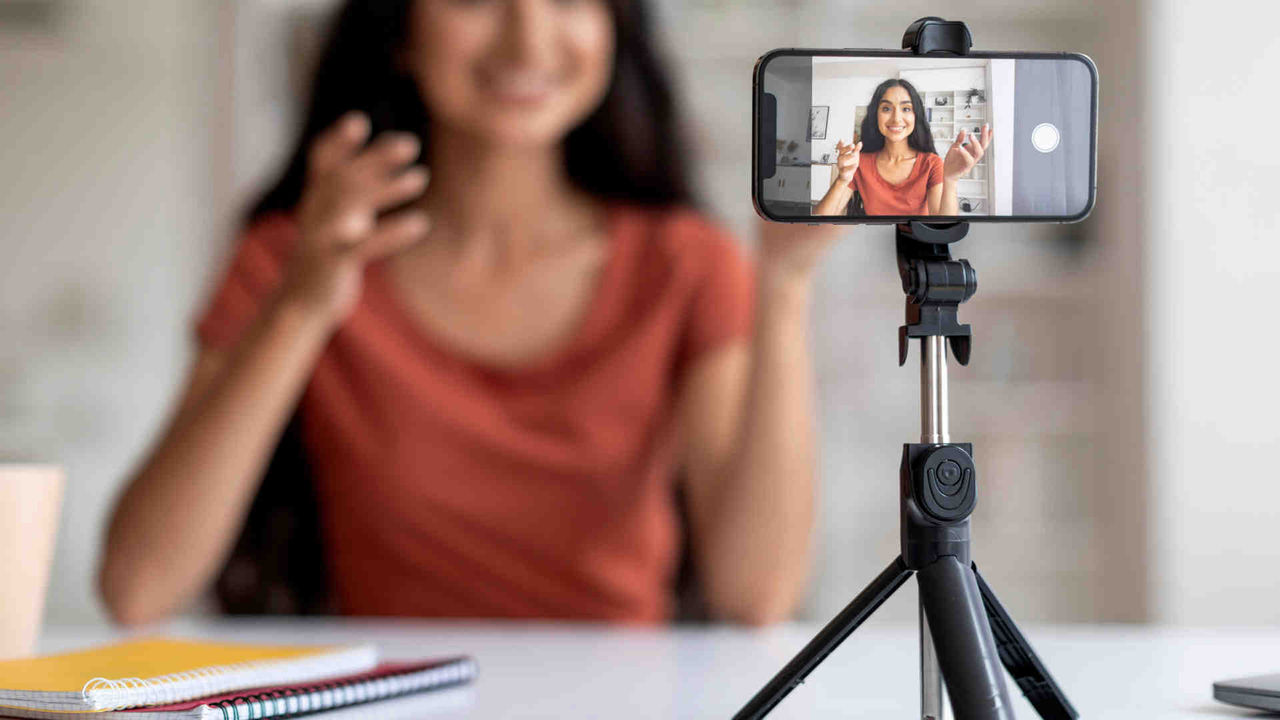
Ferran Lalueza, a researcher in the project and member of the UOC’s Faculty of Information and Communication Sciences, explained that “in order to appeal to young people, mental health content must be both informal and educational, short (no more than 1 or 2 minutes) and in video format, presented by health professionals and preferably on TikTok. It must also have descriptive hashtags, such as #anxiety or #depression.”
Based on these premises, the teenagers drew up several proposals and validated them together with the teachers and mental health and communication professionals. The students agreed that the people appearing in the videos should be both young content creators and health professionals and that they should explain, in a way that can be easily understood by this demographic, where young people suffering from mental health problems can go to seek support: “What should I do if it happened to me?”. Rocío Casañas, associate professor at the University of Girona, course instructor at the UOC, and member of the eHealthLit4Teen research team, said that “the co-creation process enabled us to create mental health literacy content based on teenagers’ needs and concerns and in their own language, in order to reach as many young people and teenagers as possible”.
The final product, consisting of two TikTok videos on self-harm and anger management respectively, were highly rated by the young people involved, especially regarding their format and informal tone. They saw them as useful resources for dealing with difficult situations. “Young people believe that both the presence of mental health professionals on social media and the ability to tailor prevention messages to channels and languages that are accessible to them are essential,” said Mercè Boixadós, another researcher on the project and member of the UOC’s Faculty of Psychology and Education Sciences.
The next steps will be to continue working on applying this co-creation model to different areas and cultural contexts within the field of mental health.
Bibliography:
Casañas, R., Hernández Encuentra, E., Martín, J., Lalueza, F. and Boixadós, M. (2025). Co-creation and validation of a social media resource for mental health literacy among Spanish adolescents. Health Expectations. Advance online publication.
UNICEF: Barómetro de opinión de la infancia y la adolescencia 2023-2024
The project received funding from the Spanish Ministry of Science and Innovation (ref. PID2021-127129OB-100) and co-funding from the European Union through ERDF funds. It contributed to the UN Sustainable Development Goal (SDG) 3, Good Health and Well-being, among others.
link