Commentary: Healthy living helps the aging brain

Commentary: Healthy living helps the aging brain
Published 7:59 am Thursday, August 7, 2025
A new study published in the Journal of the American Medical Association makes a compelling case that a healthy lifestyle does an aging brain good.
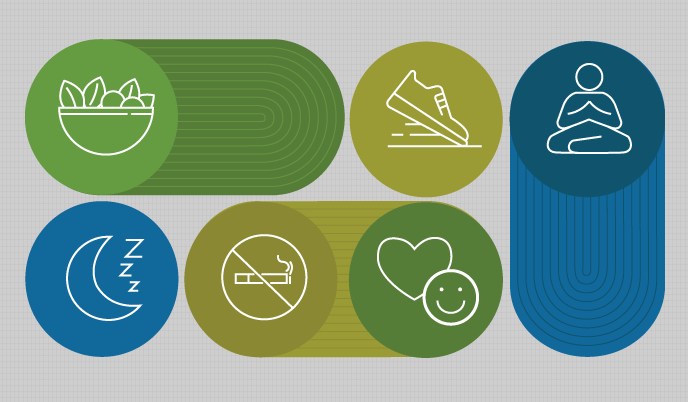
That might sound obvious. Eat well, exercise, challenge yourself mentally, have an active social life and you’ll be better off for it. Yet researchers are just starting to offer concrete data to support the theory that making conscientious lifestyle changes can lower the risk of dementia, which is estimated to affect some 6 million Americans.
But the message that people have some agency over their brain health must be paired with another one: They need help. Changing deeply ingrained habits is hard. However, the research suggests that building a supportive community around individuals could significantly improve their chances for success.
The so-called “POINTER” trial enrolled more than 2,000 participants in their 60s and 70s, all of whom were at risk for dementia. Researchers followed the volunteers over two years as they embarked on lifestyle changes. The participants had a lot of room for improvement; none of them exercised regularly, and they all had poor diets.
The volunteers were divided into two groups: One set its own priorities, while the other took part in a highly structured program that included regular exercise, a specific diet, computer-based brain games, social activities and community support.
Remarkably, participants in both groups saw significant improvements in their cognitive health. But the group that received the more intensive intervention held back the aging clock by even more, says Laura Baker, a gerontologist at the Wake Forest University School of Medicine and a principal investigator of the study.
This large trial gives weight to a growing body of work underscoring the connection between lifestyle and cognitive health. That link was highlighted in a study commissioned by The Lancet that found nearly half of all dementia cases worldwide could be delayed or attenuated by focusing on specific aspects of our health. The Lancet team identified more than a dozen risk factors, including hearing and vision loss, high cholesterol, high blood pressure, obesity, social isolation and exposure to air pollution.
There are caveats to the new findings. In an accompanying editorial, Jonathan Schott, a neurologist at the Dementia Research Centre, UCL Queen Square Institute of Neurology in London, raised the question of whether the modest difference in benefit between the two groups was enough to justify the cost of the more rigorous intervention in a real-world setting. He also noted that further research needs to be done to determine whether improvements in brain health are sustained over time — and whether they ultimately lead to a lower incidence of dementia and a better quality of life.
The community support offered to the group that saw the most benefit in the POINTER trial was a crucial component of their success. “The whole investigator team feels like if you were to cut out the social component, we would have nothing to report,” she says. “We’re asking people to create new habits,” and that’s hard to do on your own.
Phyllis Jones, a 66-year-old from Aurora, Illinois, who was part of the structured intervention group, said the peer support has given her a community and purpose. “I gained a network of incredible people — friends, mentors, and fellow advocates,” she told reporters at a conference in Toronto where the results were unveiled. The effect of the intervention was so profound — she lowered her blood sugar and cholesterol, lost weight and relieved joint pain — that she now refers to herself as “Phyllis-BP” (Before POINTER) and “Phyllis-AP” (After POINTER).
The question, of course, is how to recreate what Jones and others experienced within the confines of a rigorous clinical trial for older adults living in the real world. Their exact intensive program is likely to be impractical and too expensive to replicate.
Jones’s experience also highlights the importance of helping people take charge of their health as they age. Both her mother and grandmother had dementia, and she believes the trial has sparked a generational shift in behavior. “This program has transformed not only my attitudes and behaviors towards brain health, but also those of my daughter,” and in turn her granddaughter, she says.
That seems like an investment worth making.
Lisa Jarvis is a Bloomberg Opinion columnist covering biotech, health care and the pharmaceutical industry.
link

:max_bytes(150000):strip_icc()/A-Cardiologist-Shares-the-Most-Meaningful-Change-You-Can-Make-for-Better-Heart-Health-e058d2d7f85a41ffa03cd0692f08e0de.jpg "Limit This Food for Better Heart Health")