Here are facts to improve health during American Heart Month



Heart Health Month
Dr. Thomas Noel of TMH talks about heart health
American Heart Month 2026 is a month-long initiative focused on heart health and cardiovascular disease prevention. It aims to educate individuals about the importance of maintaining a healthy heart and making heart-healthy lifestyle choices that support cardiovascular well-being.
Heart disease remains a leading cause of death in the United States for both men and women (and worldwide) and this observance seeks to reduce its impact through awareness and action.
Today’s column provides an overview on heart disease and provides more detailed information at the end of the column under Additional Resources.
Some facts on heart disease & related conditions
- Heart disease is very common. In the United States, heart disease is the leading cause of death for men, women, and people of most racial and ethnic groups. In 2023, almost 1 in every 4 deaths in the United States was caused by heart disease.
- High blood pressure is a leading cause of heart disease. Nearly half of U.S. adults have high blood pressure, which puts them at risk for heart disease and stroke. And just 1 in 4 people with high blood pressure have it under control.
- Heart disease is costly. The cost of health care services and medications from heart disease amounted to more than $168 billion between 2021 and 2022.
Understanding your risks for heart disease
The first step toward heart health is understanding your risks for heart disease. Your risk depends on many factors, some of which are changeable and others that are not. Risk factors are conditions or habits that make a person more likely to develop a disease. These risk factors may be different for each person.
Preventing heart disease starts with knowing what your risks factors are and what you can do to lower them. Some of these factors are listed below:
- Have high blood pressure
- Have high blood cholesterol
- Have overweight or obesity
- Have prediabetes or diabetes
- Smoke
- Do not get regular physical activity
- Have a family history of early heart disease, for example if your father or brother was diagnosed before age 55, or your mother or sister was diagnosed before age 65
- Have a history of preeclampsia, which is a sudden rise in blood pressure and too much protein in the urine during pregnancy
- Have unhealthy eating behaviors
- Are age 55 or older for women or age 45 or older for men
Each risk factor increases your chance of developing heart disease. The more risks you have, the higher your overall risks.
Some risk factors cannot be changed. These include your age, sex, and a family history of early heart disease. Many others can be modified. For example, being more physically active and eating healthy are important steps for your heart health.
You can make the changes gradually, one at a time. But making them is very important.
How to promote heart health through lifestyle changes
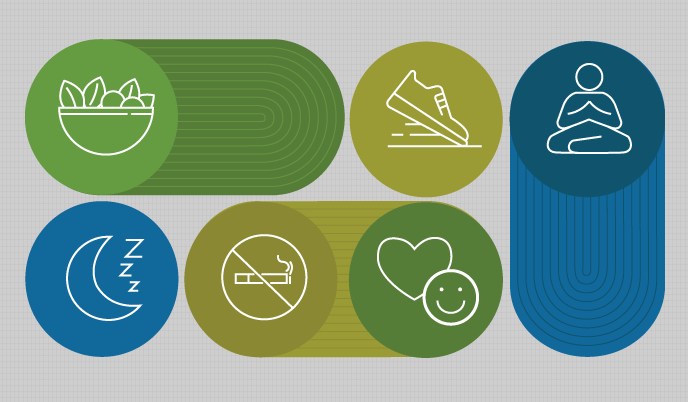
Improving heart health involves making conscious choices to reduce risk factors and adopt heart-healthy habits. Here are some ways to promote heart health during Heart Month and beyond:
- Eat a Balanced Diet: Consume a diet rich in fruits, vegetables, whole grains, lean proteins, and low-fat dairy products. Limit saturated and trans fats (largely not found in food these days), sodium, and added sugars.
- Exercise Regularly: Engage in physical activity for at least 150 minutes per week. Activities like walking, cycling, and swimming can help improve cardiovascular fitness.
- Quit Smoking: If you smoke, seek support to quit smoking. Smoking is a major risk factor for heart disease.
- Manage Stress: Practice stress-reduction techniques such as mindfulness, meditation, or yoga to reduce the impact of stress on your heart.
- Monitor Blood Pressure: Check your blood pressure regularly and work with your healthcare provider to manage it within a healthy range.
- Control Cholesterol: Maintain healthy cholesterol levels by following a heart-healthy diet and, if necessary, taking prescribed medications.
- Maintain a Healthy Weight: Achieve and maintain a healthy weight through a combination of balanced eating and regular physical activity.
- Limit Alcohol Consumption: If you drink alcohol, do so in moderation. Excessive alcohol consumption can contribute to heart problems.
- Get Adequate Sleep: Aim for 7-9 hours of quality sleep per night to support heart health.
By taking preventive measures by being proactive, you can lower your risk of developing heart disease that could lead to a heart attack. You can also improve your overall health and well-being.
Additional Resource Information
The American Heart Association (AHA) provides a resource entitled, Answers by Heart Facts Sheets available at heart.org.
Check out the following link from the AHA, What can you do today to improve your heart health? Simple steps can make a difference at heart.org.
Mark Mahoney has been a Registered Dietitian/Nutritionist (R.D.N.) for almost 40 years and completed graduate studies in Public Health at Columbia University. He can be reached at [email protected].
link

:max_bytes(150000):strip_icc()/A-Cardiologist-Shares-the-Most-Meaningful-Change-You-Can-Make-for-Better-Heart-Health-e058d2d7f85a41ffa03cd0692f08e0de.jpg "Limit This Food for Better Heart Health")