Bees reveal urban environmental health: their microbiome reflects the ecological quality of cities
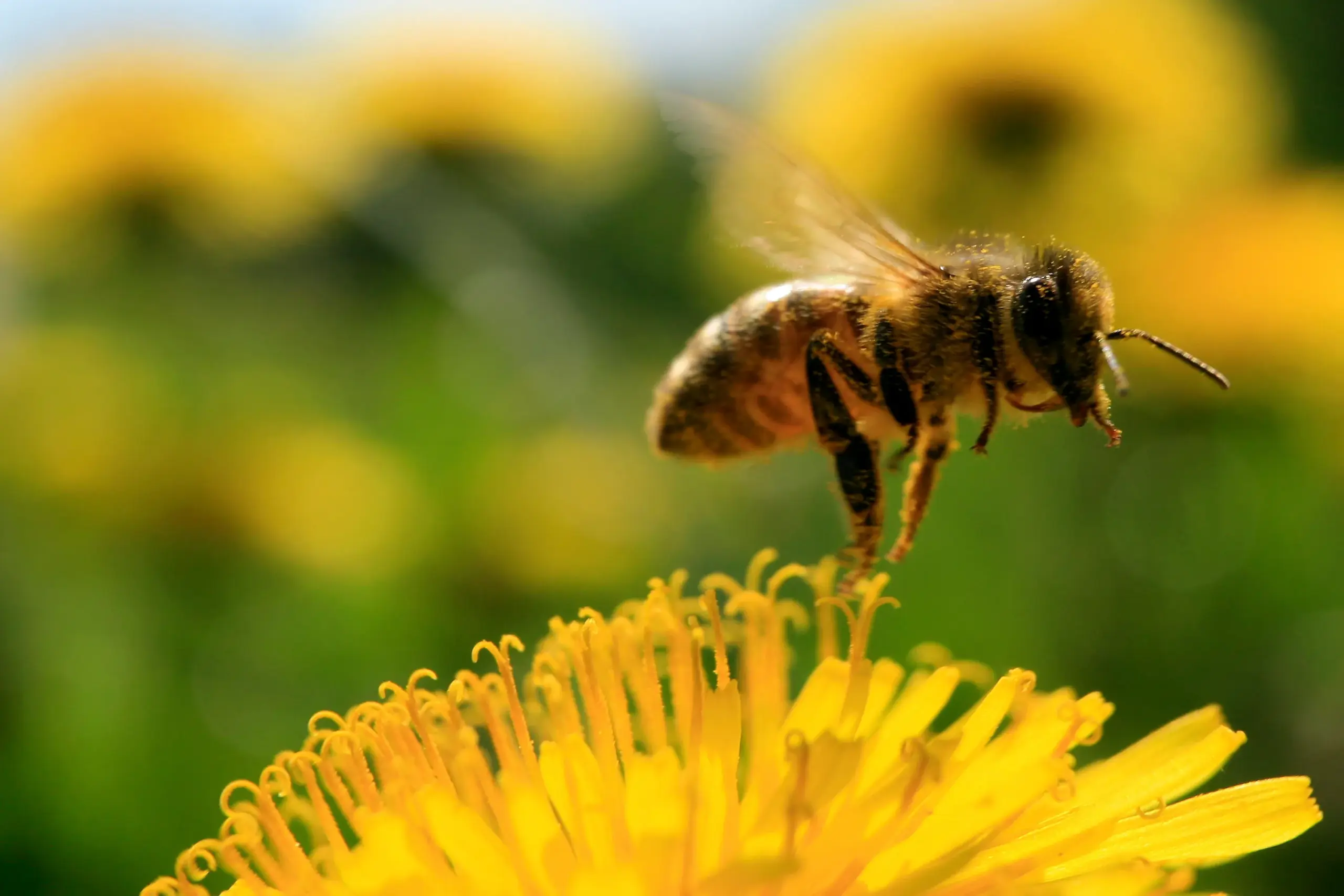
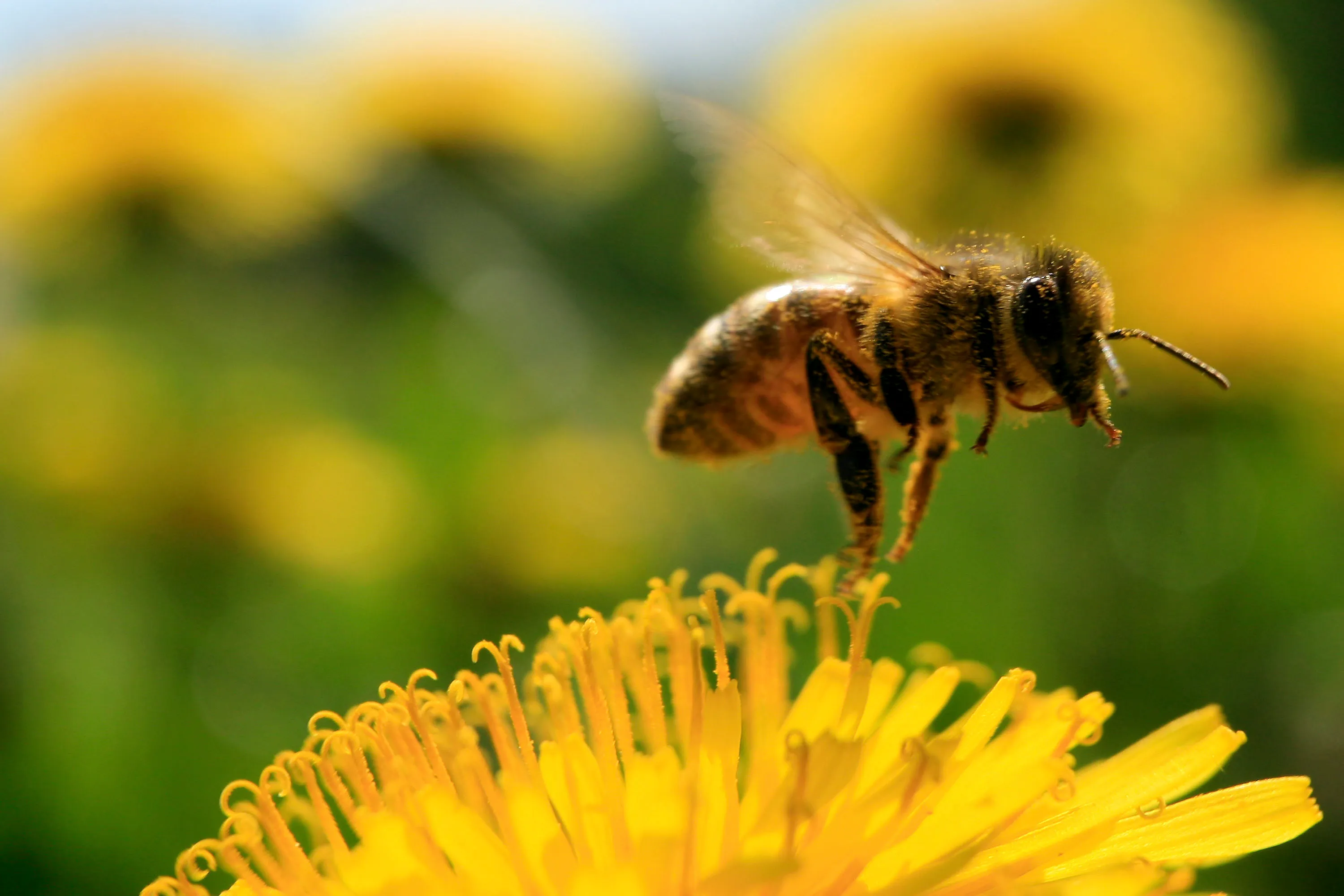
The behavior and biology of bees are not only key to pollination and biodiversity: they can also become living sensors of the environmental health of cities.
A study published in Insect Science shows that the gut content of wild bees reflects air quality, floral diversity, and the microbial footprint linked to human activity.
The study in Suzhou
The research, led by the Xi’an Jiaotong-Liverpool University, used the solitary mason bee Osmia excavata as an indicator organism. Specimens collected in ten urban agriculture areas of the Chinese city of Suzhou were analyzed using metagenomic sequencing techniques.
The result was a detailed portrait of the urban environment:
- Limited diets, dominated by Brassica crops and the London plane tree (Platanus), an unusual ornamental species as a pollen source.
- Dependence on urban vegetation, suggesting real floral scarcity and opportunistic feeding.
- Dietary variations between areas, reflecting local plant composition.
Microbiomes and unknown viruses
The bees’ intestines contained numerous bacteriophages (viruses that infect bacteria), many of them never described. These phages play a stabilizing role in the microbiome.
In more degraded areas, it was observed:
- Lower presence of regulatory phages.
- More opportunistic bacteria.
- Higher amounts of viruses associated with vertebrate animals.
This pattern coincides with environments under greater ecological pressure.
Implications for urban planning
The value of the approach is that it not only indicates which species are present, but how they respond physiologically to the environment. Based on this data, the study recommends:
- Diversifying plant species beyond ornamental ones.
- Staggering blooms to avoid periods without food.
- Limiting the use of chemicals that alter beneficial microorganisms.
- Better managing the proximity between domestic hives and wild populations to reduce pathogen transmission.
Changes in the bacterial core
The analysis identified a common core dominated by Gammaproteobacteria, especially of the genus Sodalis, key to pollen digestion. However, in two sites Sodalis disappeared and was replaced by Pseudomonas, an opportunistic bacterium.
This abrupt change is a sign of environmental alteration, linked to low floral diversity or chemical stress.
Resistance genes and urban footprint
The study also detected 173 antibiotic resistance genes. Although their presence was low, their distribution varied by area, showing that bees unknowingly incorporate traces of urban infrastructure.
Bees not only pollinate: they are also bioindicators of urban environmental health. Their diet, microbiome, and presence of resistance genes offer precise information about the ecological quality of cities. Understanding this data allows for the design of more resilient and sustainable green spaces, where pollinators continue to be allies of biodiversity and our coexistence with the environment.
link